What Chickens Should Eat – A Complete Chicken Feeding Guide (UK)
Providing the correct diet is one of the most important parts of keeping chickens healthy. A balanced diet supports egg production, strong immune systems, healthy feathers, and overall wellbeing.
Chickens require a mixture of nutrients including protein, calcium, vitamins and minerals. The easiest and safest way to provide this is through properly formulated poultry feed.
This guide explains the best foods to give chickens, how much they should eat, and how to ensure your flock receives the nutrition they need to stay healthy.
The Best Food for Chickens
The safest and most reliable way to feed chickens is with a complete commercial poultry feed.
These feeds are specially formulated to provide the correct nutritional balance for poultry.
Complete feeds contain:
• Protein
• Calcium
• Vitamins
• Minerals
• Energy sources
Using a balanced feed ensures chickens receive everything they need to remain healthy and productive.
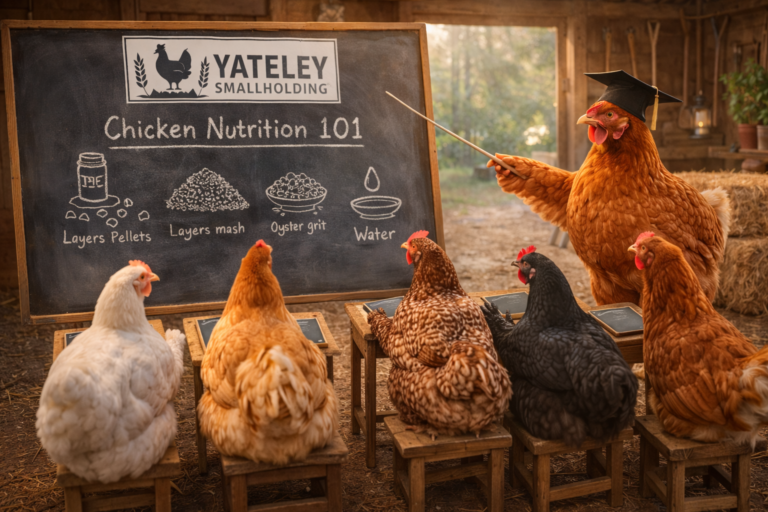
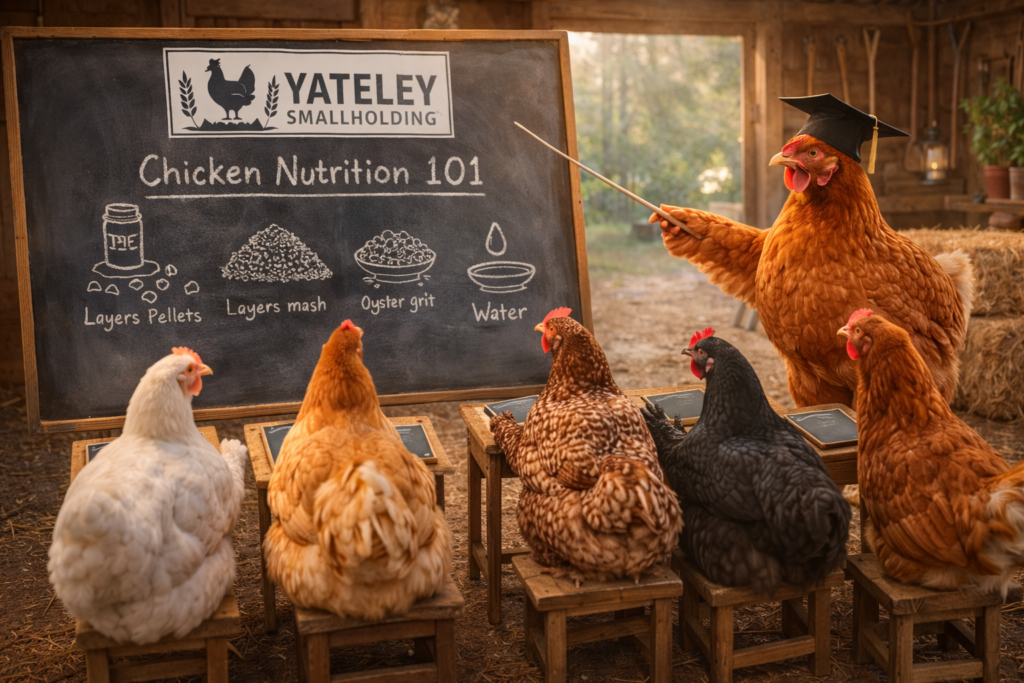
Layers Pellets
For laying hens, the most common feed is layers pellets.
Layers pellets are designed specifically for hens that are producing eggs and contain the correct balance of nutrients needed for egg production.
Layers pellets support:
• Strong eggshells
• Good egg production
• Healthy feathers
• Proper nutrition
Layers pellets should usually make up the main part of a laying hen’s diet.
Layers Mash
Layers mash contains the same nutrition as layers pellets, but in a softer crumb-like form.
Some poultry keepers prefer mash because it encourages slower feeding and more natural pecking behaviour.
Both mash and pellets provide balanced nutrition when used as a complete feed.
Growers Feed
Young chickens that have not yet started laying eggs should be fed growers pellets or growers mash.
Growers feed supports healthy development without excessive calcium, which can be harmful to younger birds.
Once hens begin laying eggs, they can transition to layers feed.
Grit and Calcium
Chickens also require grit to digest food properly.
Insoluble Grit
Insoluble grit helps grind food inside the gizzard.
Because chickens do not have teeth, the gizzard performs the grinding function during digestion.
Small stones or specialised poultry grit help break down food effectively.
Oyster Shell Grit
Oyster shell grit provides additional calcium, which is essential for producing strong eggshells.
Many poultry keepers provide oyster shell grit in a separate container, allowing hens to consume it when they need extra calcium.
Fresh Water
Chickens must always have access to clean, fresh water.
Water containers should be:
• Checked daily
• Cleaned regularly
• Protected from contamination
During warm weather chickens will drink significantly more water, so it is important to ensure supplies remain full.
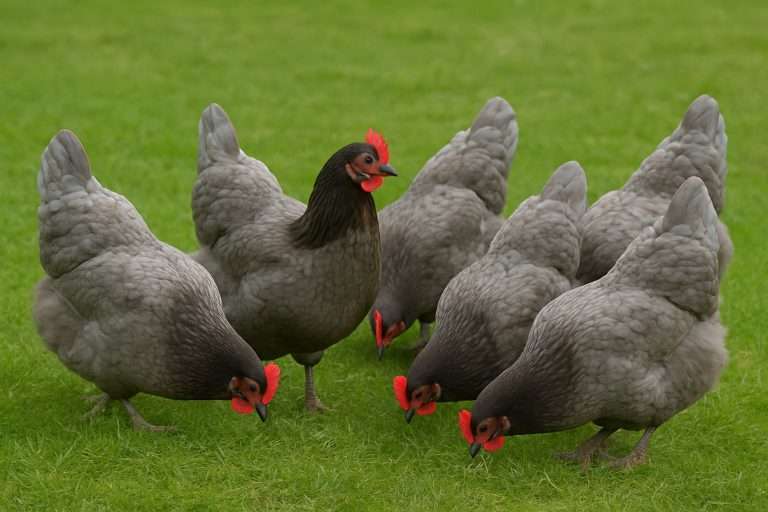
Natural Foraging
Chickens are natural foragers and enjoy searching for food in outdoor areas.
When given access to outdoor space they may eat:
• Seeds
• Grass
• Leaves
• Insects
• Worms
• Small plants
Foraging provides mental stimulation and natural enrichment.
However, a complete poultry feed should still make up the main part of their diet.
How Much Should Chickens Eat?
An average laying hen typically eats around:
100–120 grams of feed per day
This amount may vary depending on:
• Breed
• Age
• Weather conditions
• Activity level
Most chickens regulate their own food intake when given access to a balanced feed.
Feeding Tips for Healthy Chickens
To keep chickens healthy, poultry keepers should:
• Provide a balanced poultry feed
• Ensure constant access to fresh water
• Offer grit to aid digestion
• Keep feeders clean and dry
• Store feed securely to prevent pests
Good feeding practices support healthy birds and consistent egg production.
Educational Disclaimer
This guide is intended for general educational purposes. Poultry keepers should always seek advice from qualified poultry professionals if they are unsure about feeding practices.