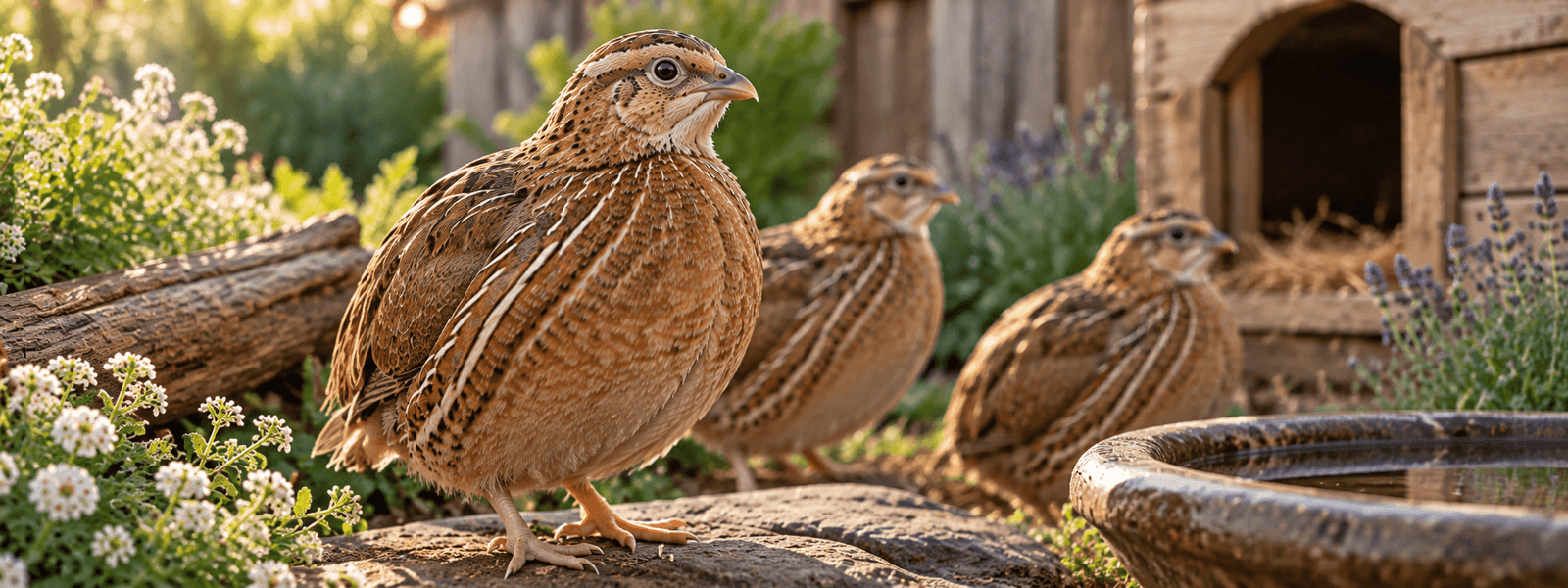
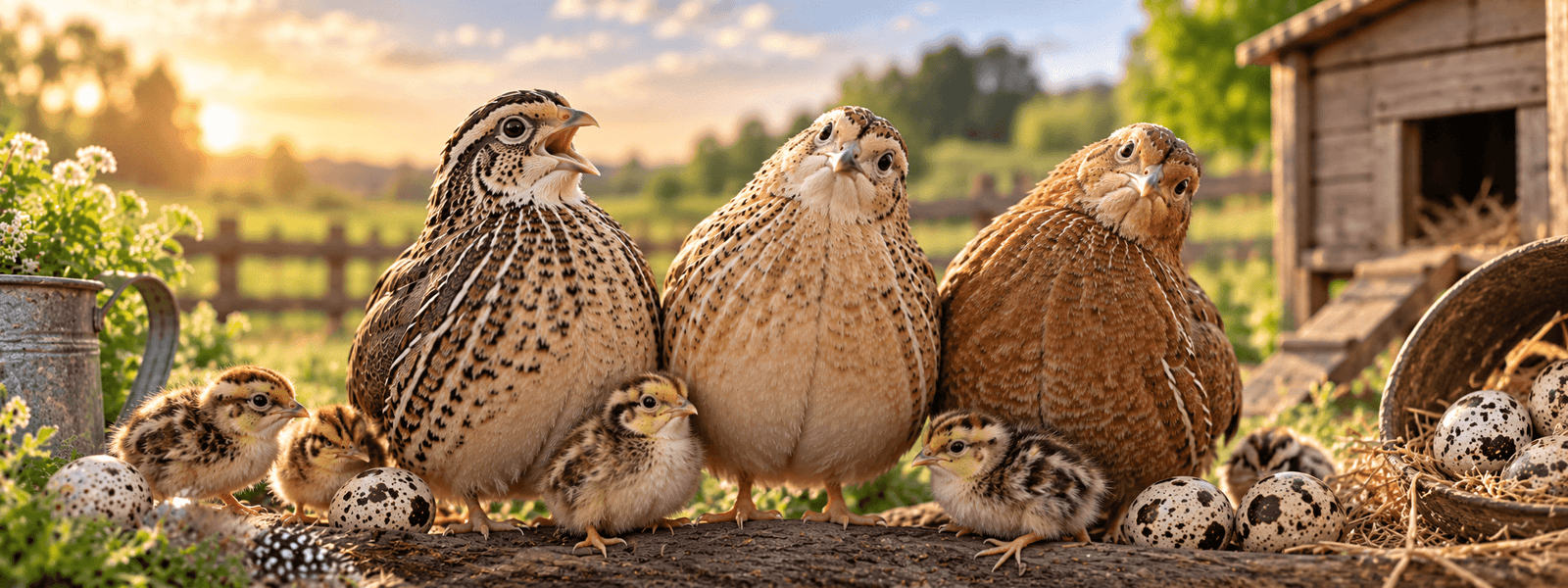
Roux Coturnix quail are a distinctive colour variety with warm, softened brown and reddish tones. They are especially interesting to breeders because Roux is a sex linked colour mutation, making it useful in carefully planned breeding combinations where chick colour can help identify sex at a very young age.
Variety Type | Roux Coturnix; a sex linked plumage colour mutation of Japanese quail |
Temperament | Active, alert and social; management is much the same as other Coturnix varieties |
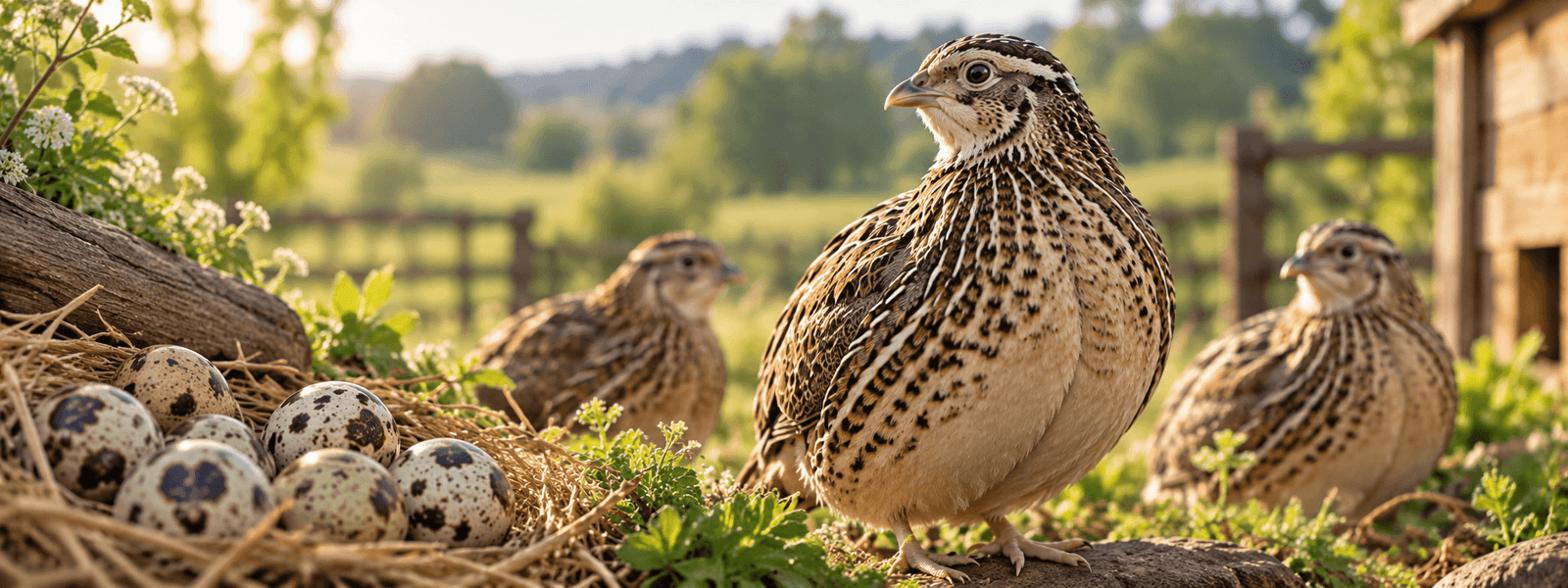
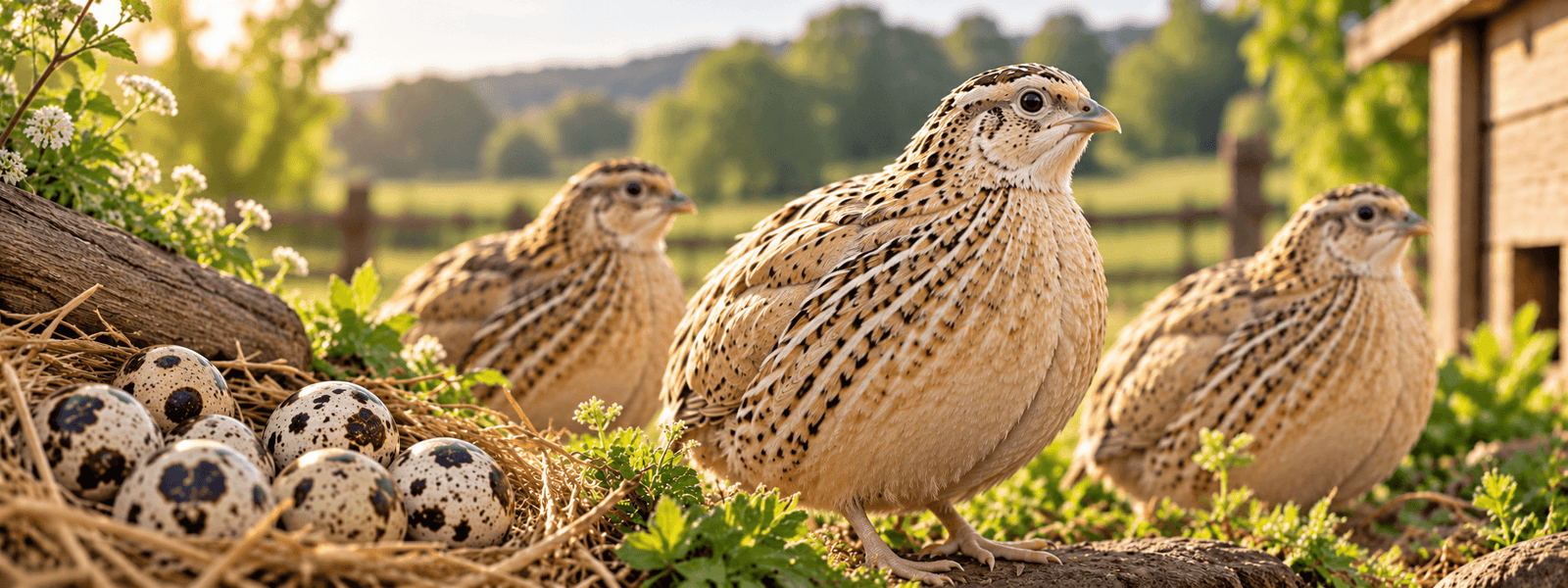
Egg Colour | Cream to pale tan with distinctive brown or dark speckling |
Egg Production | Capable layers; 250-300 Eggs per year |
Size | Small, compact game bird; females are usually larger than males |
Appearance | Paler, warmer brown to reddish plumage compared with traditional Wild Type colouring |
Hardiness | Generally hardy when kept dry, sheltered and protected from predators and draughts |

Roux is a recognised plumage colour mutation in Japanese quail. Scientific genetic work has shown the Roux mutation to be located on the Z sex chromosome, which is why it has attracted particular interest in breeding programmes.
At Yateley Smallholding, Roux is one of the three Coturnix varieties we currently keep and breed. We particularly value the variety for its distinctive appearance and its potential within carefully managed sex linked breeding combinations.
Roux birds have a softer and paler colour than traditional Wild Type Coturnix, often showing attractive warm brown, fawn or reddish tones. The precise appearance can vary depending on the other colour genetics present in the line.
Roux is sex linked, which means it can be used in specific crosses to create chicks whose colour differs according to sex. This does not mean every Roux chick is automatically sexable simply because it is Roux; the parent combination has to be planned correctly.
You do not need to be running a genetics project to enjoy Roux Coturnix. Their unusual colouring makes them an attractive addition to a quail collection, while breeders can make use of the sex linked gene when developing structured breeding lines.
Let’s Help You Get Started