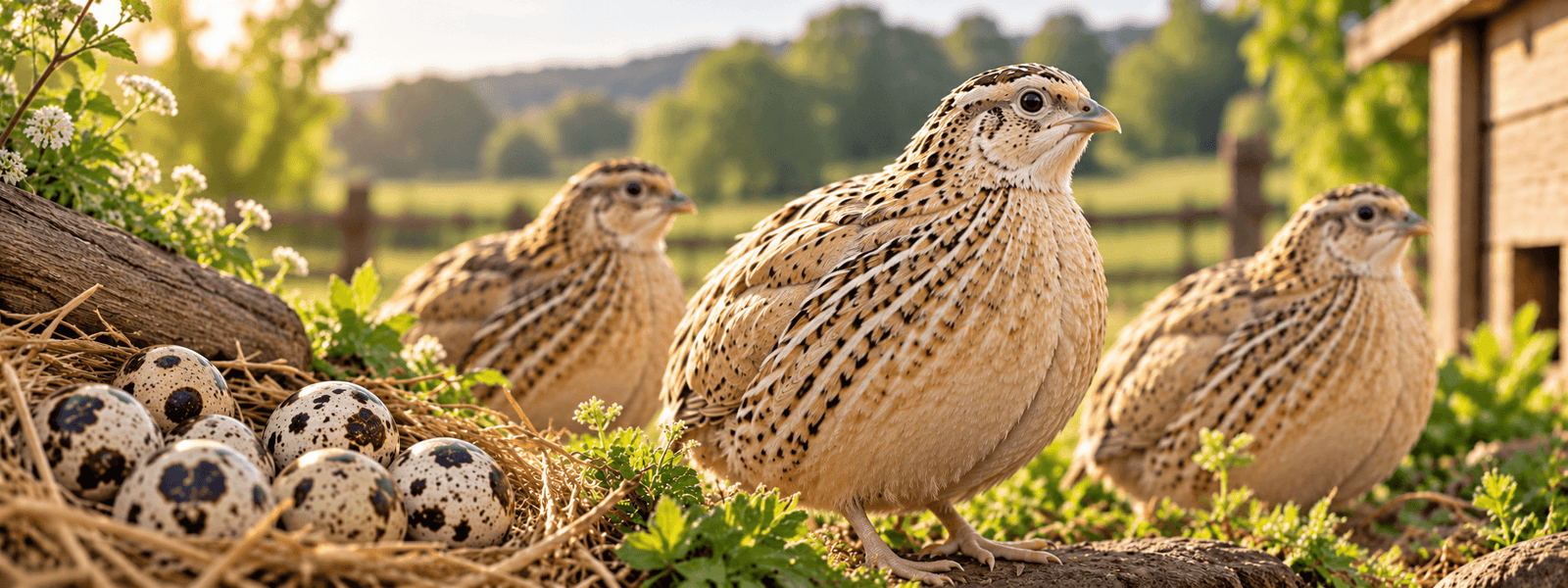
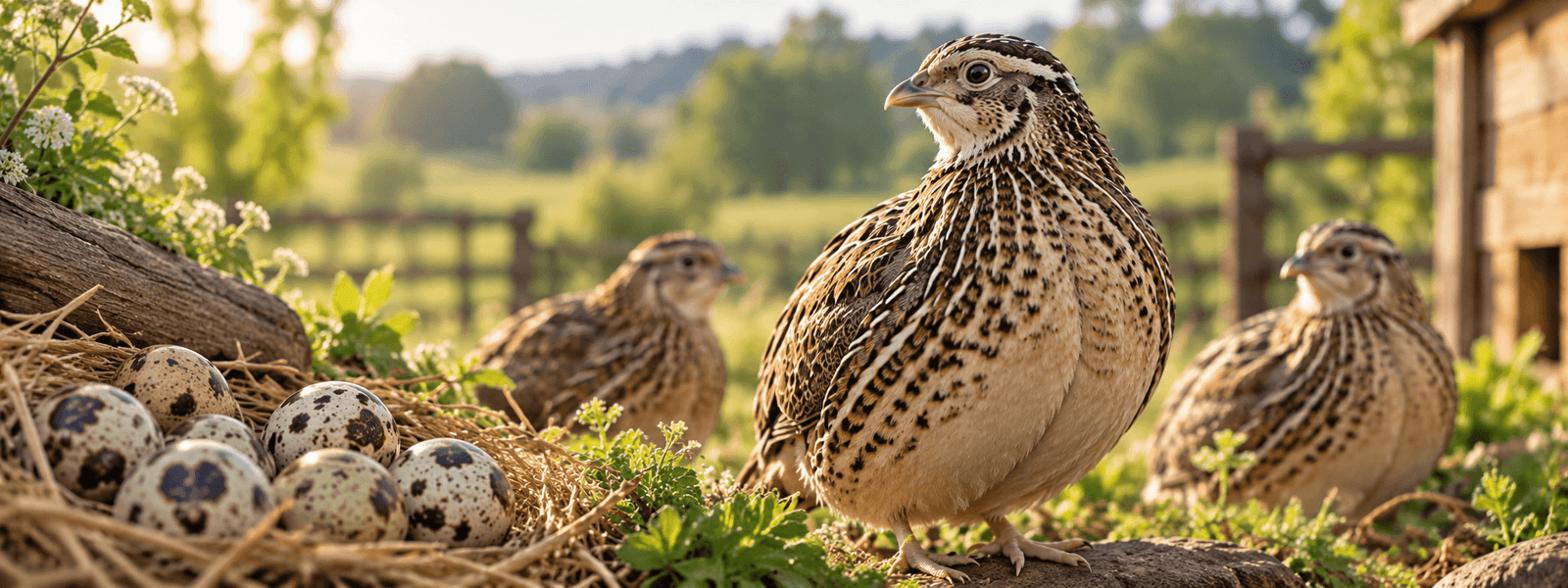
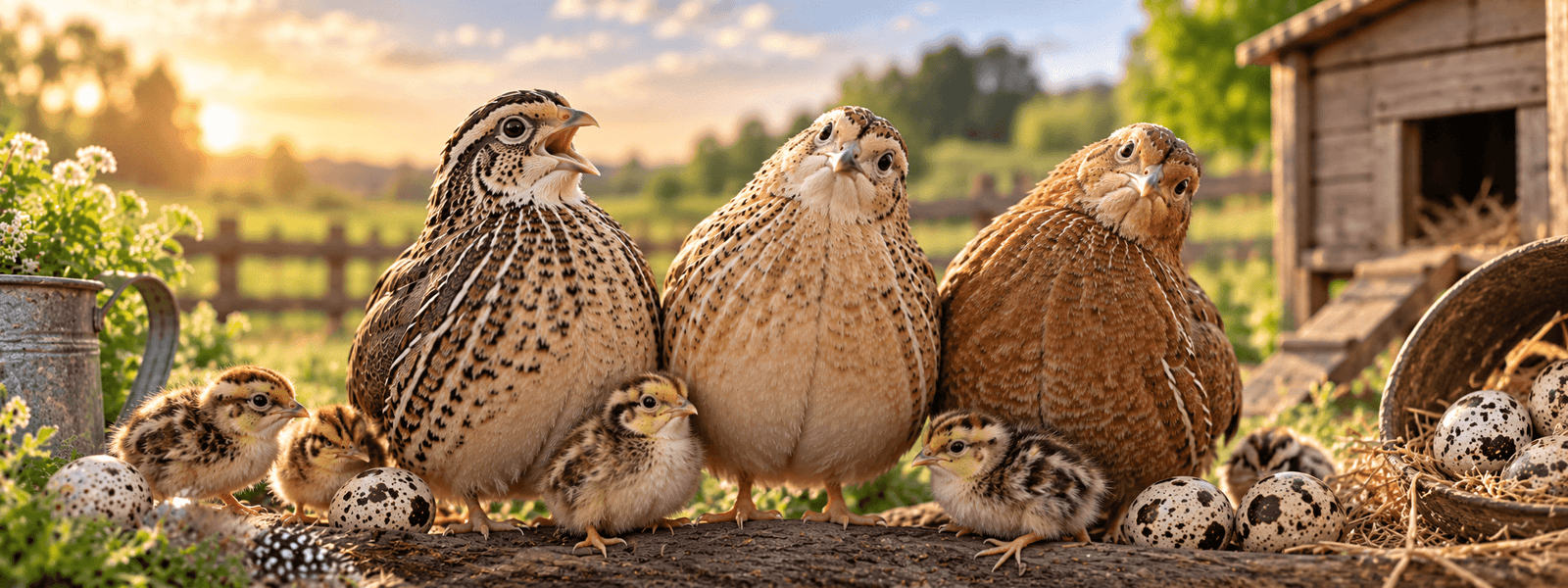
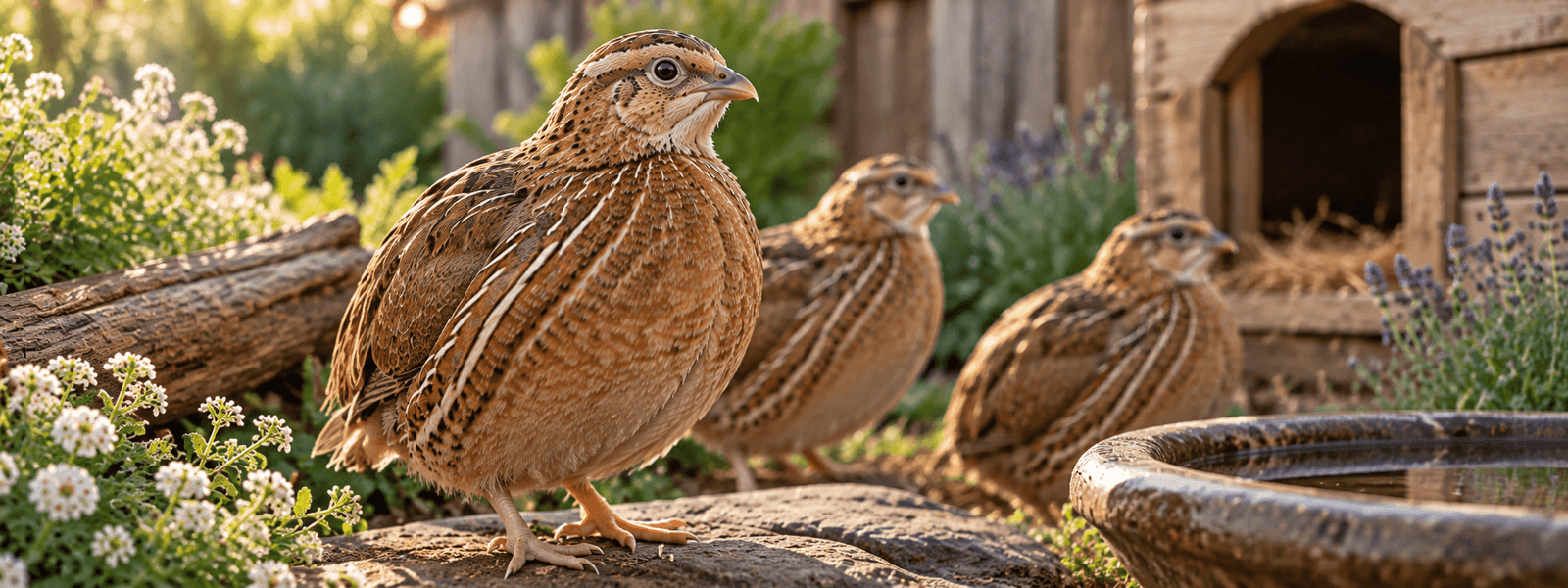
Italian Coturnix quail are a striking golden variety of Coturnix, combining warm cream, gold and brown plumage with the compact size and productive nature that make Coturnix such enjoyable birds to keep. They are an attractive choice for anyone wanting something a little brighter than the traditional Wild Type bird.
| Variety Type | Italian Coturnix (Golden / Fawn based colouring) |
| Temperament | Active, alert and social; best kept in a calm, well managed group |
| Egg Colour | Cream to pale tan with distinctive brown or dark speckling |
| Egg Production | Productive layers; commonly around 250 to 300 eggs per year under good conditions |
| Size | Small, compact game bird; females are usually larger than males |
| Appearance | Warm golden, cream and brown patterned plumage, noticeably lighter than Wild Type |
| Hardiness | Generally hardy when kept dry, sheltered and protected from predators and draughts |

Italian Coturnix are a colour variety of the domesticated Japanese quail. Their golden appearance comes from colour genetics that lighten the traditional Wild Type pattern while leaving much of the familiar Coturnix marking visible.
They share the practical advantages of other Coturnix varieties: fast maturity, a short incubation period and strong laying potential. This makes them suitable for both first time keepers and more experienced breeders who want an attractive colour variety in their flock.
Italian Coturnix have a much lighter overall appearance than Wild Type birds, with golden and cream tones running through the plumage. The exact shade and pattern can vary between individual birds and breeding lines.
Their appearance may be what catches the eye first, but Italians are still Coturnix quail. With the right housing, nutrition and group management, they can be productive layers and rewarding birds to breed and rear.
Italian colouring is associated with the Fawn colour locus and is commonly described by breeders as an incomplete dominant expression. This is one reason different golden shades and related colour outcomes can appear in breeding programmes.
Let’s Help You Get Started