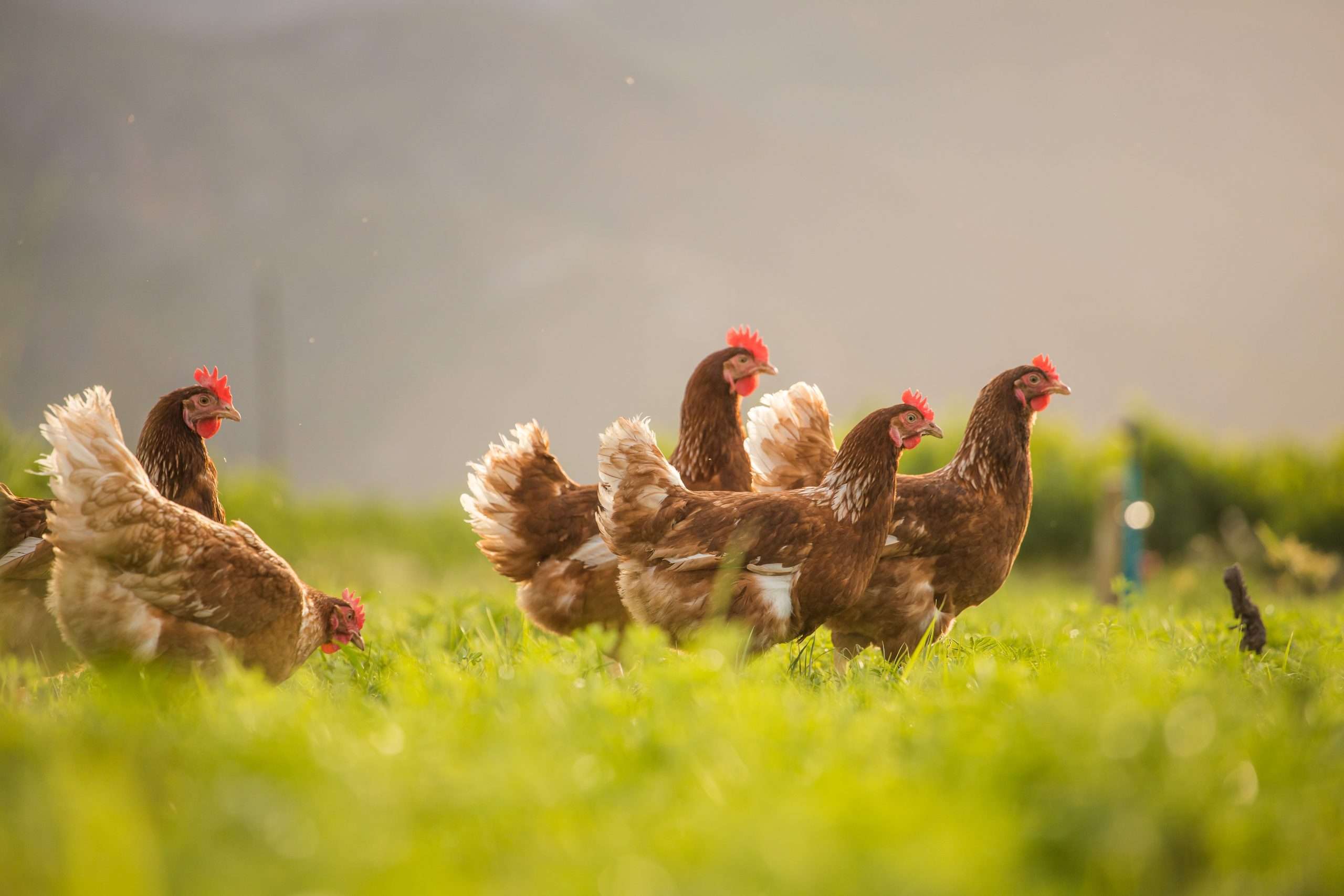
Keeping chickens is one of the most rewarding ways to produce fresh food, connect with nature, and enjoy the personalities of these fascinating birds. Chickens are relatively easy to care for, but they still require proper housing, nutrition, and attention to remain healthy and productive.
Whether you want fresh eggs for your family, help controlling garden pests, or simply enjoy keeping animals, chickens can make a wonderful addition to your home.
This beginner’s guide explains everything you need to know before getting your first chickens.
People keep chickens for many different reasons.
Some of the most common benefits include:
Fresh Eggs
One of the biggest advantages of keeping chickens is having access to fresh eggs. Backyard eggs are often richer in flavour and colour compared to supermarket eggs.
A healthy laying hen can produce around 200–300 eggs per year, depending on breed, age, and season.
Natural Pest Control
Chickens love to eat insects, slugs, and other garden pests. When allowed to forage safely, they can help reduce unwanted pests naturally.
Fertiliser for the Garden
Chicken manure is rich in nutrients and can be composted to create excellent fertiliser for vegetable gardens.
Enjoyable Pets
Chickens are surprisingly intelligent and have unique personalities. Many owners enjoy watching their natural behaviours such as scratching, dust bathing, and exploring.
How Many Chickens Should You Start With?
Chickens are social animals and should never be kept alone.
A good starting flock size for beginners is usually:
3 to 6 hens
This number provides:
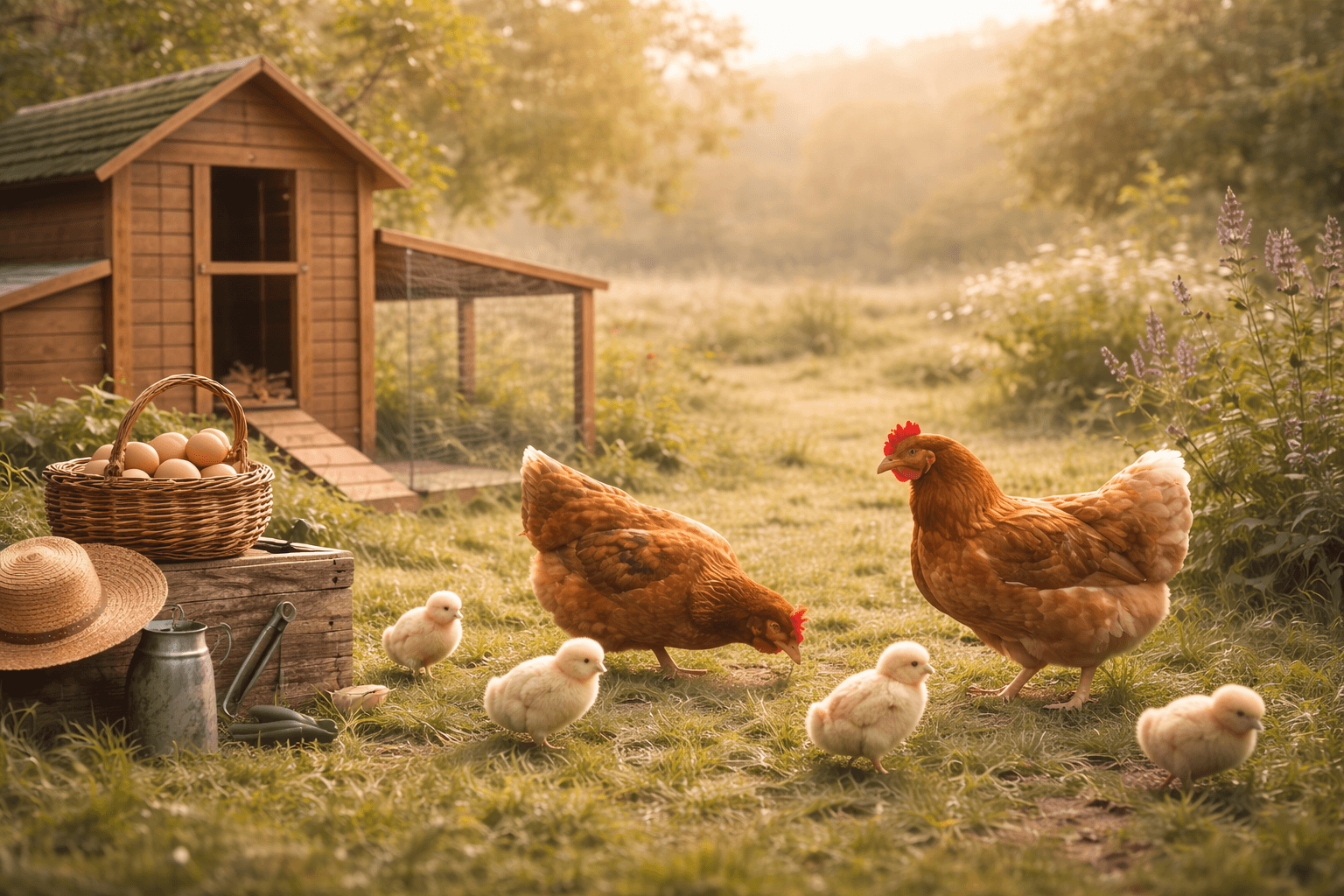
Different chicken breeds have different characteristics.
Some breeds are known for egg production, while others are valued for temperament or appearance.
Popular Beginner-Friendly Breeds
Hybrid Layers
These hens are often bred specifically for egg production and are excellent layers. Examples include:
These hens can produce 250–300 eggs per year.
A hardy and adaptable breed that lays brown eggs and tolerates different weather conditions well.
A friendly traditional British breed known for good egg production and calm temperament.
A gentle and reliable breed that lays brown eggs and adapts well to backyard environments.
Proper housing is essential for keeping chickens safe, comfortable, and healthy.
A good chicken coop should provide:
Coop Space Guidelines
Each chicken should have approximately:
Providing sufficient space helps prevent stress and aggression.
Hens lay their eggs in nesting boxes.
A good guideline is:
1 nesting box for every 3–4 hens
Nesting boxes should be:
Chickens naturally sleep on raised perches at night.
Perches should be:
Allow approximately 20 cm of perch space per bird.
Chickens need grit to help grind food in their gizzard.
Two types of grit are often provided:
Proper nutrition is essential for healthy birds and good egg production.
Layers Pellets
Most laying hens should be fed a complete layers pellet feed, which contains balanced protein, vitamins, and minerals.
Layers feed typically contains:
If space allows, chickens enjoy exploring and foraging.
Benefits of free ranging include:
However, free ranging may increase exposure to predators, so supervision or secure fencing is important.
Chickens must have access to clean fresh water at all times.
Water should be checked daily and kept free from dirt or droppings.
Keeping the coop clean helps prevent disease.
Routine cleaning should include:
A deeper coop clean is usually recommended every few weeks depending on flock size.
Predators are one of the biggest threats to backyard chickens.
Common predators include:
To protect your flock:
Eggs should ideally be collected once or twice per day.
This helps:
Fresh eggs can usually be stored at room temperature if unwashed, as the natural protective bloom helps protect the shell.
Most hens begin laying eggs between 18 and 24 weeks of age.
Egg production depends on:
Egg laying often slows during winter due to shorter daylight hours.
Winter
Egg production may decrease because hens require longer daylight hours to maintain laying.
Providing extra light in the coop may help maintain production.
Moulting
Once per year chickens shed and regrow their feathers in a process called moulting. During this time:
Chickens are generally considered one of the easier livestock animals to keep, but they still require daily care.
Daily tasks include:
Once routines are established, chicken keeping becomes very manageable and enjoyable.
Anyone keeping chickens should ensure their birds receive:
Good care ensures happy hens and reliable egg production.
Final Thoughts
Keeping chickens can be a rewarding and enjoyable experience for families, gardeners, and smallholders alike.
With the right preparation and care, chickens will provide fresh eggs, natural pest control, and plenty of entertainment for years to come.