Buying healthy chickens is one of the most important steps in starting or expanding a flock. Healthy birds are more likely to settle well into their new environment, remain productive, and avoid introducing disease to your existing chickens.
Whether you are buying point-of-lay hens, young pullets, or breeding birds, learning how to recognise a healthy chicken can help you make a confident and responsible purchase.
This guide explains the key things to look for when choosing chickens and the warning signs that may indicate potential health issues.
Why Choosing Healthy Chickens Matters
Starting with healthy birds helps ensure:
Introducing unhealthy birds can sometimes lead to problems that affect the entire flock, which is why careful selection is important.
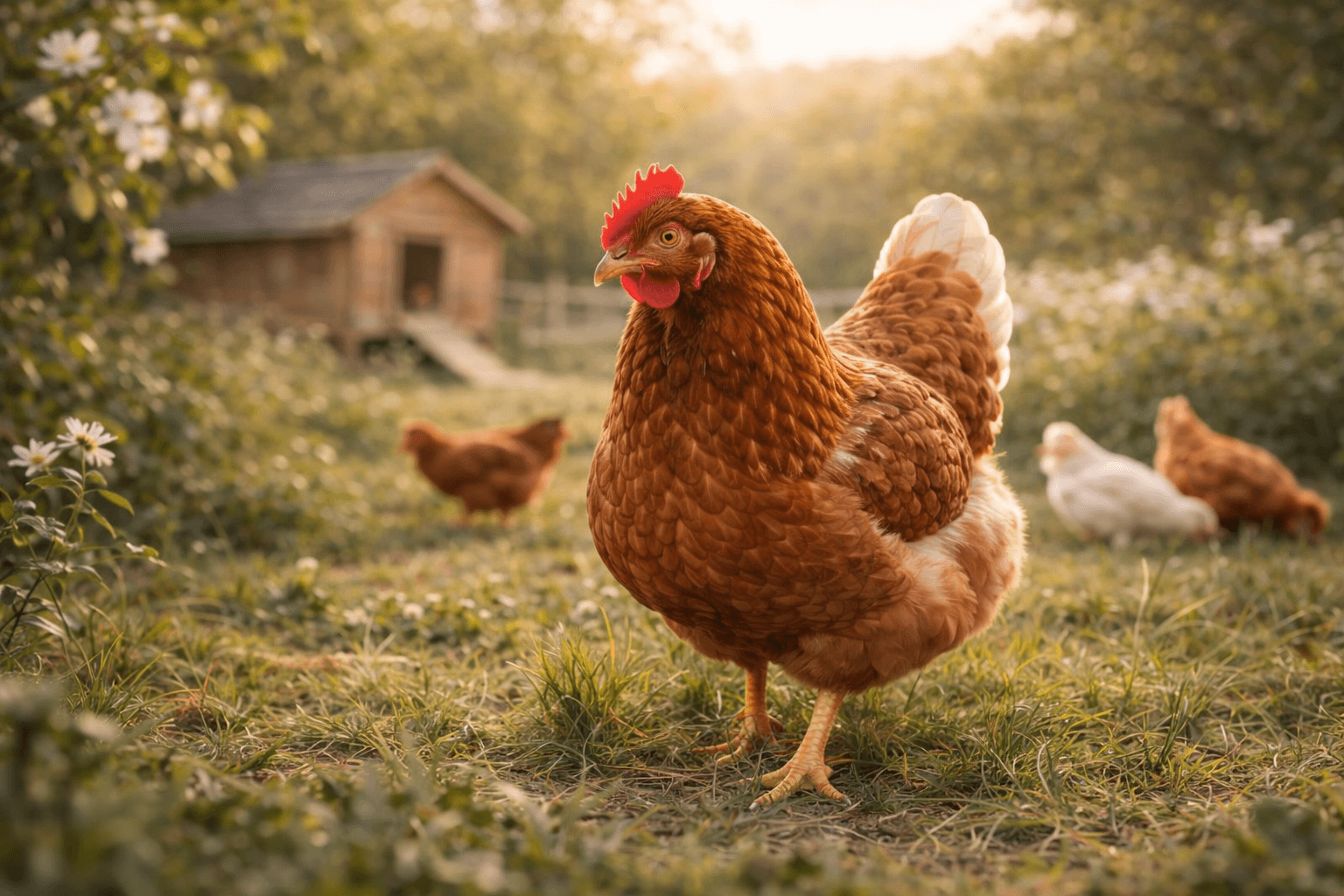
Healthy chickens are usually alert and active.
When observing birds before buying, look for chickens that are:
Birds that appear unusually quiet, weak, or separated from the group may not be in good health.
A healthy chicken should have:
Cloudy eyes, foamy bubbles, or closed eyes may suggest illness or infection.
The comb and wattles can indicate overall health.
Healthy laying hens typically have combs that are:
Pale, shrivelled, or dark combs may indicate poor condition or illness.
Young birds that have not yet started laying may have smaller, lighter coloured combs, which is normal.
Healthy chickens maintain their feathers carefully.
Look for feathers that are:
Some feather loss can occur during moulting, which is a natural process where chickens replace old feathers.
The vent area should appear:
Dirty feathers around the vent can sometimes indicate digestive problems or illness.
Healthy chicken legs should be:
Watch how the bird walks. Chickens should move comfortably without limping or difficulty balancing.
Raised leg scales may indicate scaly leg mites.
Parasites such as mites or lice can sometimes be present on chickens.
Look for:
Checking around the base of feathers and under the wings can sometimes reveal parasites.
If you are purchasing chickens for egg production, knowing the bird’s age is important.
Many people buy point-of-lay hens, which are typically around 16–20 weeks old and close to starting egg production.
Younger birds may take longer before they begin laying.
Responsible sellers should be able to tell you:
Gradually introducing new birds to your feeding routine helps reduce stress.
Buying from a reputable breeder, farm, or smallholding helps reduce the risk of disease and poor animal welfare.
Responsible sellers usually:
They should also allow you to observe the birds before purchase.
When introducing new chickens to an existing flock, it is recommended to keep them separate for a short period.
This allows you to:
A short quarantine period helps protect your flock.
When bringing chickens home, they should be transported in:
Avoid overcrowding and extreme temperatures during transport.
Choosing healthy chickens helps set your flock up for success. Taking the time to observe the birds carefully, ask questions, and buy from responsible sellers can help ensure you bring home birds that will thrive in their new environment.
Healthy chickens are more likely to live longer, remain productive, and integrate well into your flock.
About Yateley Smallholdings
At Yateley Smallholdings, we care deeply about the health and welfare of our birds. Our chickens are raised with proper nutrition, clean housing, and regular care to ensure they are healthy and well prepared for their new homes.
If you are looking for healthy chickens or advice on poultry keeping, we are always happy to help.