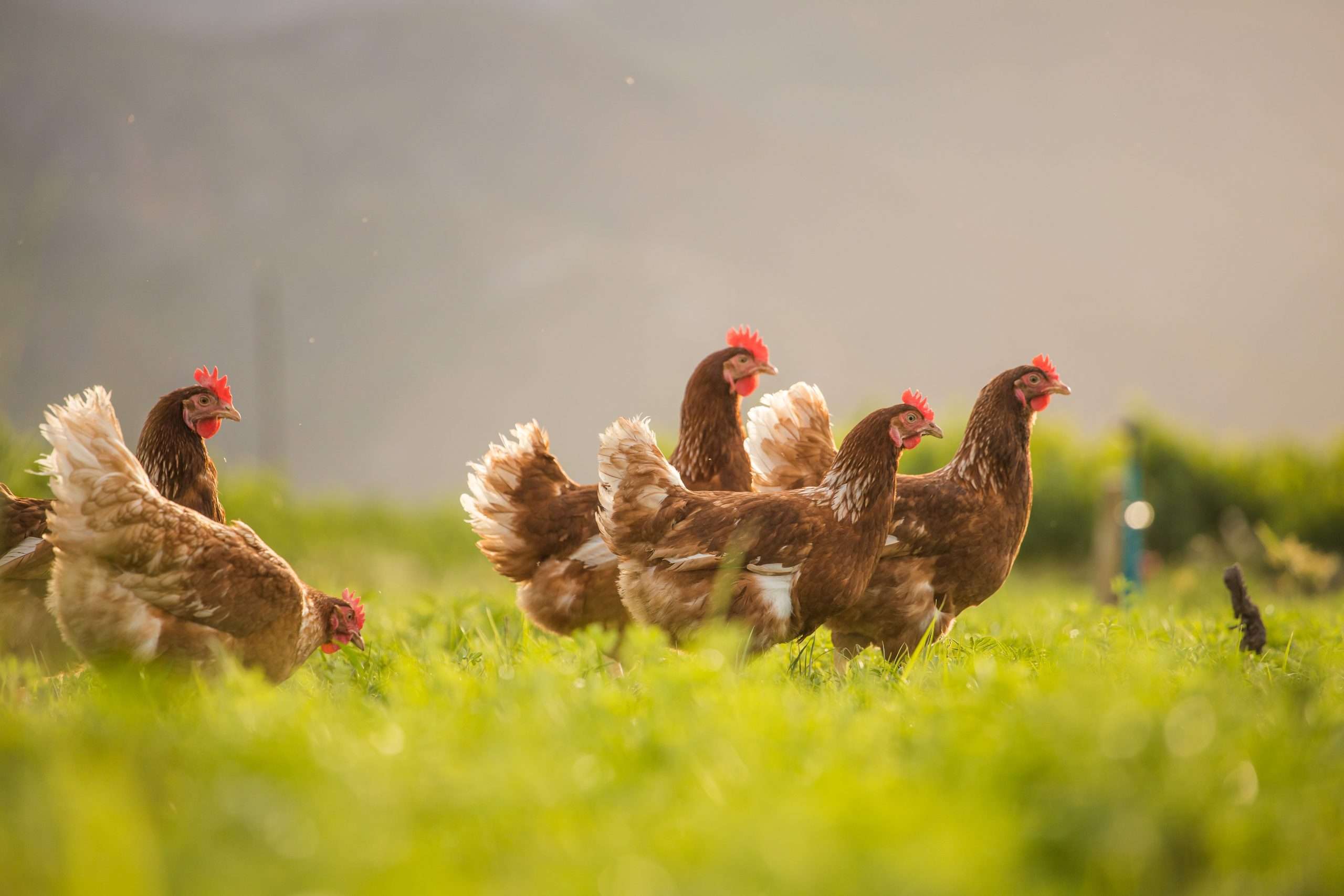
Keeping chickens healthy starts with knowing what a healthy bird looks like. Chickens are very good at hiding illness, which means problems can sometimes go unnoticed until they become serious.
By carrying out simple regular health checks and observing your birds carefully, you can spot potential problems early and ensure your flock remains happy and productive.
This guide explains the key signs of a healthy chicken and how to safely check your birds.
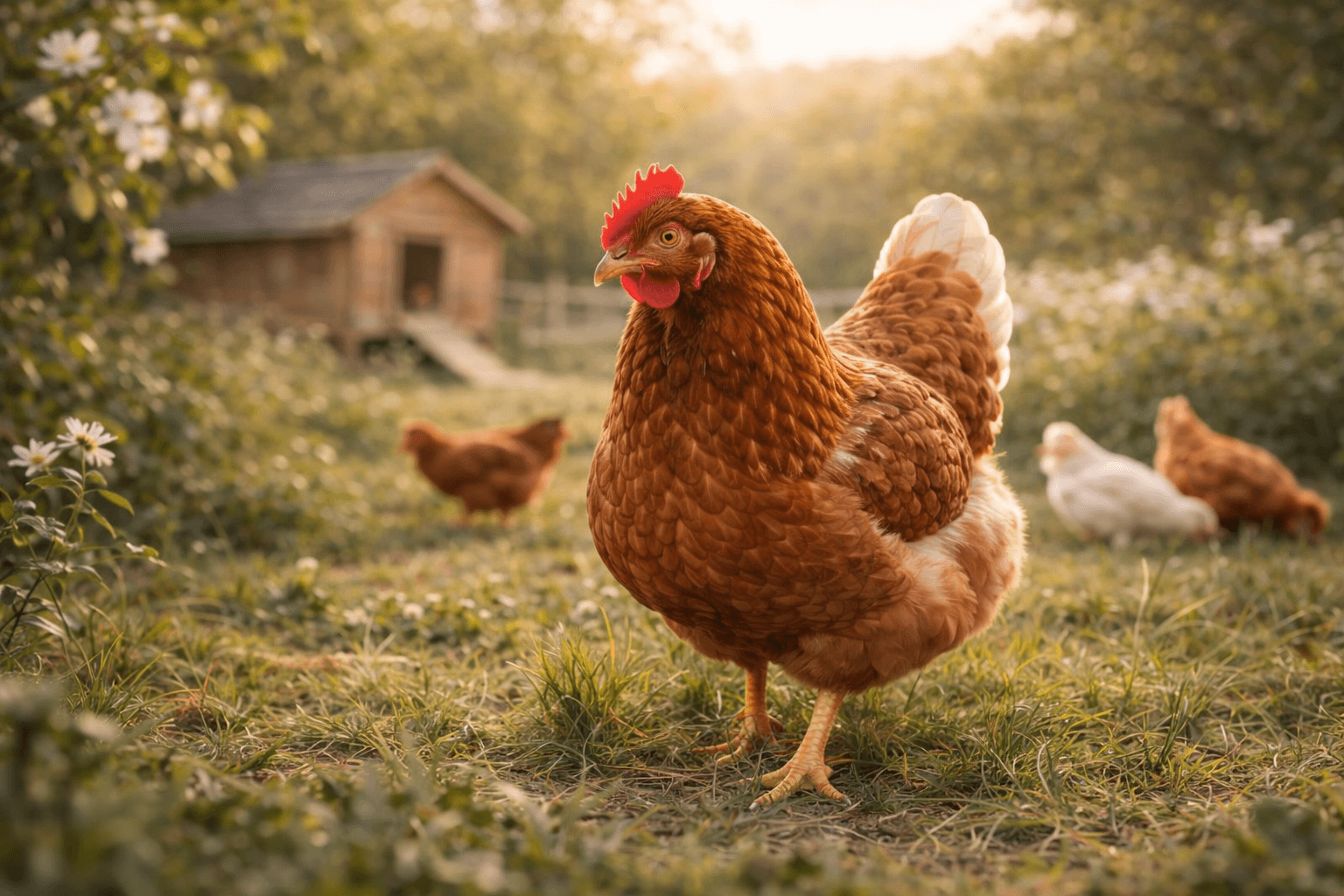
Healthy chickens are usually active, alert, and interested in their surroundings.
Typical signs of a healthy chicken include:
Chickens should also be curious and responsive to movement around them.
Performing regular health checks helps identify issues early. These checks only take a few minutes and can be done while handling your birds.

Check the Eyes
Healthy chicken eyes should be:
Signs that may indicate a problem include:
These symptoms may suggest infection or irritation.

Check the Comb and Wattles
The comb and wattles can reveal a lot about a chicken’s health.
In healthy hens, they are usually:
Changes to watch for include:
It is normal for comb colour to fade slightly when hens stop laying.

Check the Feathers and Skin
Healthy chickens maintain their feathers carefully through preening.
Healthy feathers should be:
Check the skin beneath feathers for:
Some feather loss is normal during moulting, which usually occurs once per year.

Check the Beak and Nostrils
The beak should be:
Nostrils should be:
Signs of concern include:
These could indicate respiratory problems.

Check the Crop
The crop is the food storage pouch located on the right side of the chicken’s chest. You can gently feel the crop to check it.
In the evening, a normal crop should feel:
In the morning, it should feel:
If the crop remains hard or swollen overnight, it may indicate a crop issue.

Check the Legs and Feet
Healthy chicken legs should be:
Check for:
Chickens should walk comfortably and maintain good balance.

Check the Vent Area
The vent is where eggs and droppings leave the body It should be:
Signs of concern include:
Keeping the vent clean helps prevent infections.

Observe Droppings
Chicken droppings vary depending on diet, but healthy droppings generally look like:
Occasional soft droppings called caecal droppings are also normal and occur several times per day. However, persistent abnormal droppings may include:
These may indicate illness or parasites.
Behaviour Signs of a Healthy Chicken
Healthy chickens usually show natural behaviours such as:
If a chicken becomes unusually quiet, isolates itself, or stops eating, it may indicate a health issue.
Early warning signs of illness may include:
If you notice these symptoms, monitor the bird closely and seek veterinary advice if necessary.
Good flock management can prevent many health issues.
Important practices include:
Regular observation is one of the most powerful tools a poultry keeper has.
If a chicken shows persistent signs of illness, injury, or distress, it is important to consult a qualified poultry veterinarian.
Professional advice is especially important if you notice:
Early treatment greatly improves outcomes.
Chickens depend entirely on their keepers for their welfare. Regular health checks, good nutrition, and a safe environment will help your flock stay healthy and productive.
Chickens depend entirely on their keepers for their welfare. Regular health checks, good nutrition, and a safe environment will help your flock stay healthy and productive.
Educational Disclaimer
The information on this page is intended for general educational purposes and should not replace advice from a qualified poultry veterinarian. If you are concerned about the health of your chickens, seek professional veterinary guidance.